Do you want to become rich, wealthy and successful for your family, to have money for everything you need, everything you want? Do you want to become wealthy so you can travel the world and have a life you’ve always dreamed about?
If you want to become rich fast, it’s not easy, better focus on building a successful business online or offline. Join online training programs or go to Live events and meet self-made millionaires, learn how to follow in their footsteps and become rich, wealthy and successful like them. The fastest way to success is to copy somebody who’s already done it.
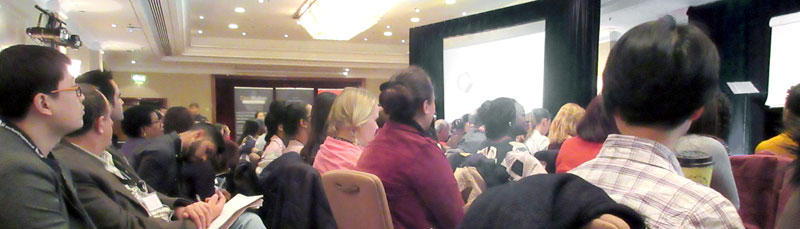
Learn how to start a business or take your existing business to the next level using the most powerful internet strategies. Learn how to build a web based business that will give you more time, more assets and the confidence to get started even with no experience.
2-day live event in London, UK that will teach you how anyone can start a business on a side without having to leave your current job.
Is there anything more important in your life than knowing how to make your dreams come true? You don’t want to spend your life working just to pay bills. You want to live and enjoy all that life has to offer! Don’t wait for someone else to make you rich – it’s not going to happen! If you want to become wealthy, commit to yourself to making changes in your life NOW. Learn from self-made millionaires, ordinary people who once were just like you. Make changes in your life now!